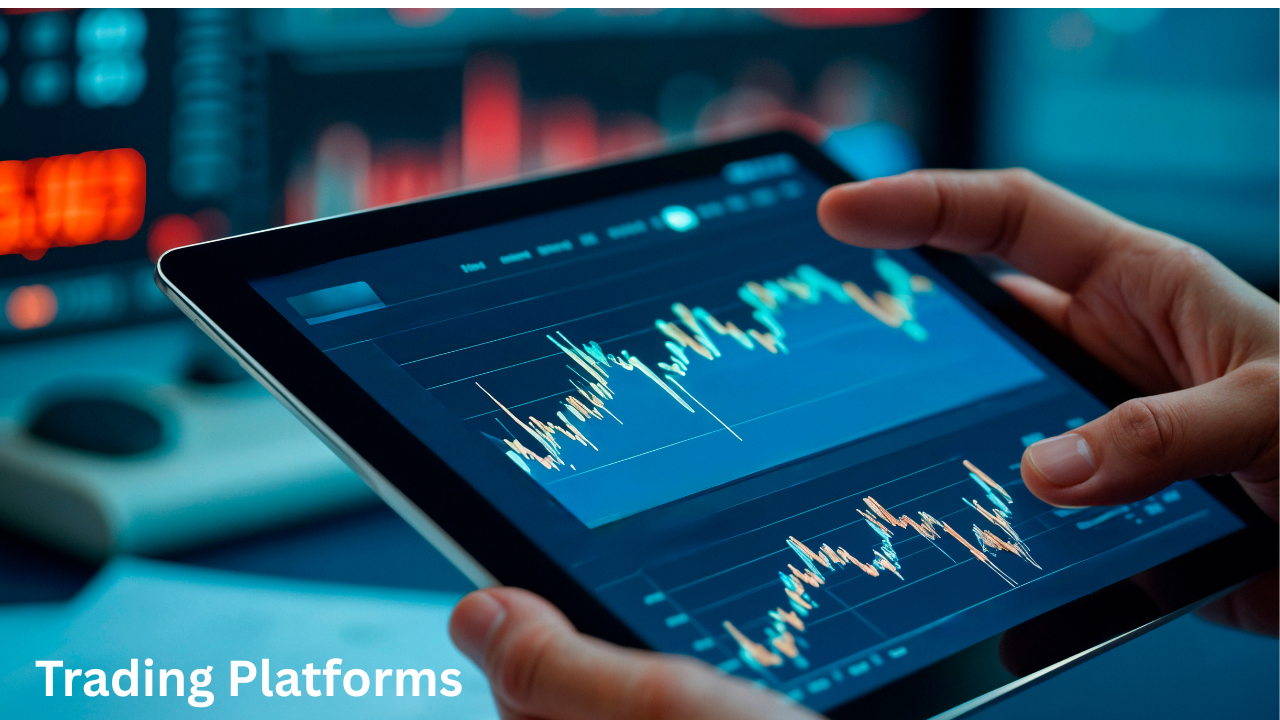
The global financial landscape is undergoing rapid evolution, driven by digital transformation, increasing institutional participation, and fast-moving market dynamics. According to Quadrant Knowledge Solutions, Trading Platforms are projected to register a strong average CAGR by 2028—signaling robust growth, rising adoption, and continuous innovation in this critical market segment. As organizations look to navigate increasingly complex financial markets, these platforms have become indispensable for executing trades efficiently, securely, and intelligently.
In this blog, we explore the key factors fueling the growth of Trading Platforms, their evolving capabilities, and why organizations across industries are rapidly integrating them into their financial operations.
Why Trading Platforms Have Become a Strategic Necessity
Modern financial markets move at lightning speed, and organizations can no longer rely on traditional or manual systems for trade execution. Trading Platforms have emerged as the backbone of digital finance, offering seamless and automated ways to buy, sell, and manage a wide array of financial instruments.
These platforms empower organizations with:
1. Real-Time Market Data for Informed Decision-Making
One of the most valuable capabilities of Trading Platforms is real-time access to global market data. In volatile markets, timely information can be the difference between profit and loss.
Organizations benefit from:
- Instant price feeds
- Real-time charts and analytics
- Up-to-the-second market insights
This immediacy helps traders make accurate and confident decisions, minimizing risks linked to market fluctuations.
2. Algorithmic Trading and Advanced Automation
Automation is transforming trading operations. Modern Trading Platforms integrate advanced algorithmic trading tools that enable organizations to create, test, and deploy custom trading strategies.
These algorithms:
- Analyze massive data sets within milliseconds
- Execute trades without human intervention
- Minimize errors and manual delays
- Maximize opportunities in fast-changing markets
As automation scales, these platforms help organizations boost performance while reducing workload on human traders.
3. Robust Risk Management and Portfolio Optimization
Risk management has become one of the top priorities for financial institutions. Trading Platforms embed sophisticated risk analytics tools that help organizations assess market exposure, identify potential vulnerabilities, and implement mitigation strategies in real time.
Key capabilities include:
- Stress testing
- Scenario analysis
- Automated alerts
- Portfolio performance tracking
Armed with these insights, organizations can maintain resilient trading strategies even under turbulence.
4. Strong Security and Compliance Features
With rising cyber threats and tightening regulatory standards, security is no longer optional. Trading Platforms incorporate advanced cybersecurity features—including encryption, multi-factor authentication, and secure APIs—to protect sensitive financial transactions and data.
On the compliance front, platforms ensure organizations adhere to:
- KYC & AML guidelines
- Industry-specific regulations
- Reporting and audit requirements
This not only prevents penalties but also builds trust among clients and stakeholders.
5. Scalability and Cost Efficiency
Digital trading has democratized access to financial markets, reducing the cost of trading operations significantly. Organizations using Trading Platforms can scale seamlessly as their trading volumes grow—without investing heavily in onsite infrastructure.
Cloud-based trading platforms, in particular, offer:
- Lower upfront costs
- High flexibility
- Continuous updates
- Reduced operational burden
This shift is accelerating global adoption, especially among small and mid-sized firms.
Market Dynamics Driving Growth Through 2028
Several macro trends are contributing to the projected strong CAGR of Trading Platforms:
Growing Adoption of Digital Finance
Banks, hedge funds, asset managers, and fintech startups are prioritizing digital modernization to stay competitive.
Rise of Retail Trading
More individuals are entering financial markets through mobile trading apps, expanding the user base dramatically.
Advancements in AI and Machine Learning
AI-driven analytics are revolutionizing trade forecasting and decision-making.
Expansion of Global Markets
Emerging economies in Asia-Pacific, the Middle East, and Latin America are fueling demand for sophisticated trading tools.
Together, these trends will continue to push the Trading Platforms market forward well beyond 2028.
The Road Ahead: What Organizations Can Expect
As Trading Platforms evolve, organizations can expect future innovations such as:
- AI-powered predictive trading
- Enhanced interoperability with digital assets and tokenized securities
- Real-time global market connectivity
- Deeper personalization using behavioral analytics
- Cloud-native trading ecosystems
These advancements will enable traders to act faster, manage risk better, and maintain a competitive edge in increasingly complex markets.
Final Thoughts
The increasing reliance on Trading Platforms is a clear reflection of the financial industry's transition toward automation, intelligence, and digital agility. With Quadrant Knowledge Solutions projecting a strong average CAGR by 2028, the future of trading technology is not only promising but transformative. Organizations that invest in these platforms today will be better positioned to reduce costs, strengthen compliance, enhance security, and outperform in global markets.
As the world of finance continues to evolve, Trading Platforms will remain at the forefront—empowering traders, institutions, and enterprises with unparalleled efficiency, insights, and growth potential.